Building Solidarity Among Us, Awareness in the Community Around us, and Equity for All of Us.
At TPAC, we cultivate a thriving, inclusive space where Asian Pacific Islander Desi Americans (APIDA) in the Twin Ports region can connect, celebrate culture, and advocate for meaningful change.
Through vibrant community gatherings, cultural education, and active advocacy, we amplify APIDA voices, foster belonging, and create opportunities for collective growth. Join us in building a stronger, more connected future—where our heritage is honored, our stories are heard, and our community thrives together.
Join Our Community.
Join us, either as a Member/Ally, or just join our Mailing List so you don’t miss out on any of our events and news!
Stand With Our APIDA Community
In recent months, many Asian Pacific Islander Desi American (APIDA) residents in the Twin Ports have found themselves living with a level of fear and uncertainty that most of their neighbors never have to consider. This fear is not theoretical. It is not distant. It is happening right here in Duluth, Superior, and the surrounding areas - at our restaurants, hotels, hospitals, schools, construction sites, day care centers, and public spaces.
Across the Twin Ports, additional BIPOC communities (Black, Indigenous, Latine, African immigrant, and undocumented residents of many backgrounds) are also experiencing increased scrutiny, racial profiling, and fear of state and federal enforcement systems. These communities have long histories of being targeted and marginalized, and the current climate is compounding that harm.
For many in our community, the threat is immediate and personal. Solidarity is not optional; it is essential.
A Community Treated as an Easy Target
The APIDA community in Duluth is small, diverse, and often overlooked. Many of us are immigrants or come from immigrant/refugee families—people striving to contribute to the local economy and build community. But our visibility within certain industries makes us vulnerable.
When enforcement actions disproportionately affect workplaces with strong APIDA representation, our community becomes an easy and predictable target. TPAC notes that ICE operations have focused on industries such as restaurants, hotels, and service work - sectors where many APIDA individuals work.
And we must be clear: while the APIDA community is facing heightened fear, we are not alone in that fear.
Not All of Us Have Full Citizenship Protections
Many APIDA residents are green card holders, individuals on work and student visas, people with pending immigration cases, and mixed-status families.
TPAC’s guidance urges APIDA residents to carry immigration documents at all times, keep scanned copies with trusted contacts, memorize green card A-numbers, and avoid carrying foreign passports—all clear indications of how precarious the situation is for those without full citizenship protections.
A misplaced document or a simple misunderstanding can suddenly become life-altering when ICE presence is active in the community.
This same vulnerability is shared by many additional immigrant and refugee communities in Duluth, particularly East African, Latine, and Indigenous populations who have long been disproportionately affected by policing, raids, and surveillance. Their fears are intertwined with ours, and their struggles strengthen the call for collective protection.
The Emotional Toll of Constant Surveillance
TPAC’s Know Your Rights resource page advises families to develop safety plans, teach children what to do if approached by authorities, set up trusted contact networks, and memorize emergency numbers like the Twin Ports Rapid Response hotline and legal advocates.
These are not hypotheticals - they reflect daily life for many APIDA families today. Many families now keep important documents in a single spot by the door “just in case,” and parents practice emergency scripts with their children before school. Workers routinely change their routes, avoid certain streets, and check over their shoulders on the way to and from jobs because the fear of being in the wrong place at the wrong time has become part of daily life.
But again, we must acknowledge: Black, Indigenous, Latine, and immigrant communities in Duluth have been navigating similar forms of fear and surveillance for decades. The APIDA community’s current crisis exists within a broader landscape where many BIPOC people have long been criminalized, monitored, or threatened by systems not designed for their safety. Our safety is tied to theirs. Their liberation is bound to ours.
Building Community Preparedness Through the Winter
While recent ICE activity has been concentrated primarily in the metro areas of Minnesota, we cannot assume that Duluth is insulated from what happens elsewhere in the state. Enforcement patterns often shift with the seasons, and historically, immigration raids increase as the weather warms. Duluth’s long, harsh winters may offer a brief sense of reprieve, but winter is not protection.
If our community waits until spring or summer to prepare, it will already be too late.
This is why TPAC is working now, during the coldest months of the year, to educate community members, strengthen rapid-response channels, and support APIDA-owned businesses with safety resources. The goal is simple but urgent: to ensure that if and when enforcement intensifies in warmer months, our community is not facing it unprepared or alone.
TPAC Is Stepping Up, But Community Solidarity Is Needed
In response to rising fear and verified ICE activity, the Twin Ports APIDA Collective has acted swiftly:
Gathering and distributing Know Your Rights resources and safety planning information.
Creating a mutual aid and rapid response channel for APIDA-identifying members to share real-time reports and seek immediate support from trusted allies.
Visiting APIDA-owned businesses to deliver posters, signage, legal information, and safety resources.
Helping families make emergency plans to protect youth, elders, and mixed-status households.
These efforts are powerful—but they are part of a larger struggle for dignity and safety shared across all BIPOC communities in Duluth.
While TPAC serves APIDA people specifically, we stand firmly with our Black, Indigenous, Latine, African immigrant, and all immigrant neighbors who also face targeting, policing, and systemic racism. Our communities’ safety is interconnected.
Duluth Must Choose Solidarity Over Silence
It is not enough for the broader community to say, “We didn’t know.” The information is available. The harm is visible. The consequences are real.
What our communities need now is collective courage.
We need local leaders, schools, businesses, faith communities, and everyday citizens to stand alongside TPAC and all BIPOC-led organizations doing this work. We need Duluth to recognize that the safety of APIDA residents as well as all targeted communities is a shared responsibility.
When any of our neighbors live in fear, the whole city is weakened.
When we stand together, we become stronger than the systems designed to divide us.
A Call to Action
TPAC’s mission is “Building Solidarity Among Us, Awareness in the Community Around us, and Equity for All of Us”. This mission is rooted in community care: uplifting stories, honoring our unique and diverse cultures, cultivating belonging and community, and building collective safety. Now more than ever, we call on Duluth to do the same.
We stand with all BIPOC communities facing fear. We ask Duluth to stand with us.
_______________
By the Numbers: APIDA & BIPOC Duluth
Duluth’s population was 86,697 in the 2020 Census and is estimated at 87,986 in 2024.
Within that population, small but vital BIPOC communities are part of Duluth’s fabric:
Asian / APIDA: About 1.6% in the 2020 Census; 1.79% in the 2019–2023 American Community Survey (ACS) (range reflects different census datasets).
Black or African American: Roughly 2.6%–3.5% depending on the dataset (ACS vs. 2020 Census).
American Indian & Alaska Native: About 1.5%–1.53%.
Hispanic or Latino (any race): About 2.4%–2.5%.
Two or More Races: About 5.4%–5.6%, signaling significant multiracial diversity that single-race counts can miss.
Foreign-born residents (all backgrounds): 3.1% of Duluth’s population—families who may face distinct vulnerabilities during immigration enforcement actions.
Note: “APIDA” includes Asian, Pacific Islander, and Desi (South Asian) identities. Federal reporting often tabulates “Asian” and “Native Hawaiian/Other Pacific Islander” separately, which can under-count multi-ethnic and mixed-race APIDA residents in headline statistics.
What These Numbers Mean for Duluth
Small populations can face outsized risk. When a group makes up just 1–2% of a city, it is more exposed to profiling and less protected by public awareness, making targeted enforcement feel omnipresent.
Multiracial residents are under-counted by single-race snapshots. That’s why “Two-or-More-Races” figures around 5.4–5.6% matter when we think about who is affected.
Immigrant families are neighbors—not statistics. With 3.1% of Duluth residents being foreign-born, immigration enforcement doesn’t just touch “someone else;” it reaches classmates, coworkers, and congregants.
Solidarity is a safety strategy. The well-being of APIDA communities is inseparable from the safety of Black, Indigenous, Latine, African immigrant, and all immigrant neighbors. Standing together reduces isolation and increases protection.
Our Story
TPAC was founded out of friendship, mutual need, and solidarity. Click the button below to learn more about how we began, and what we’ve been doing since our founding in 2021.

TPAC on TV
Events
-
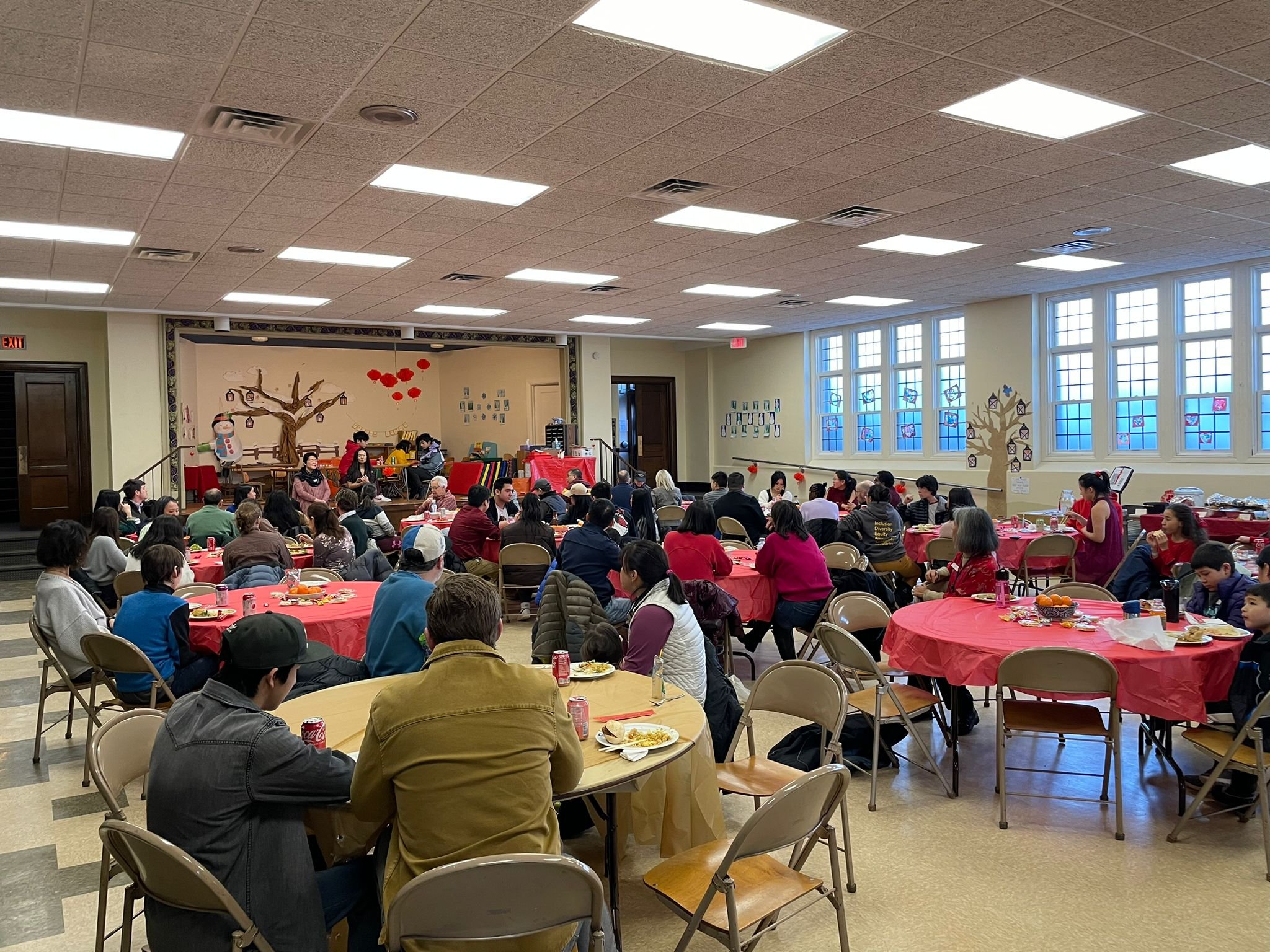
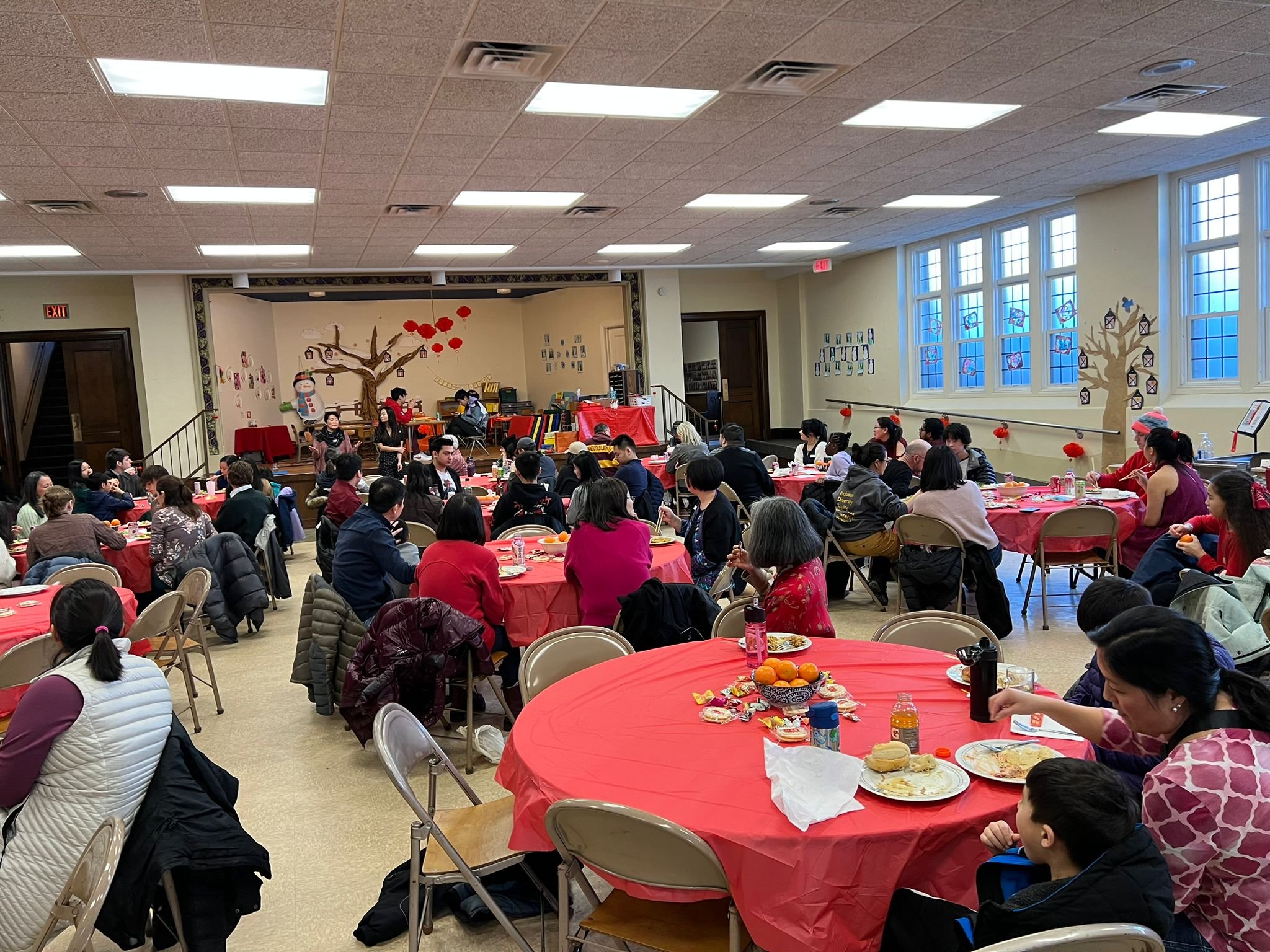
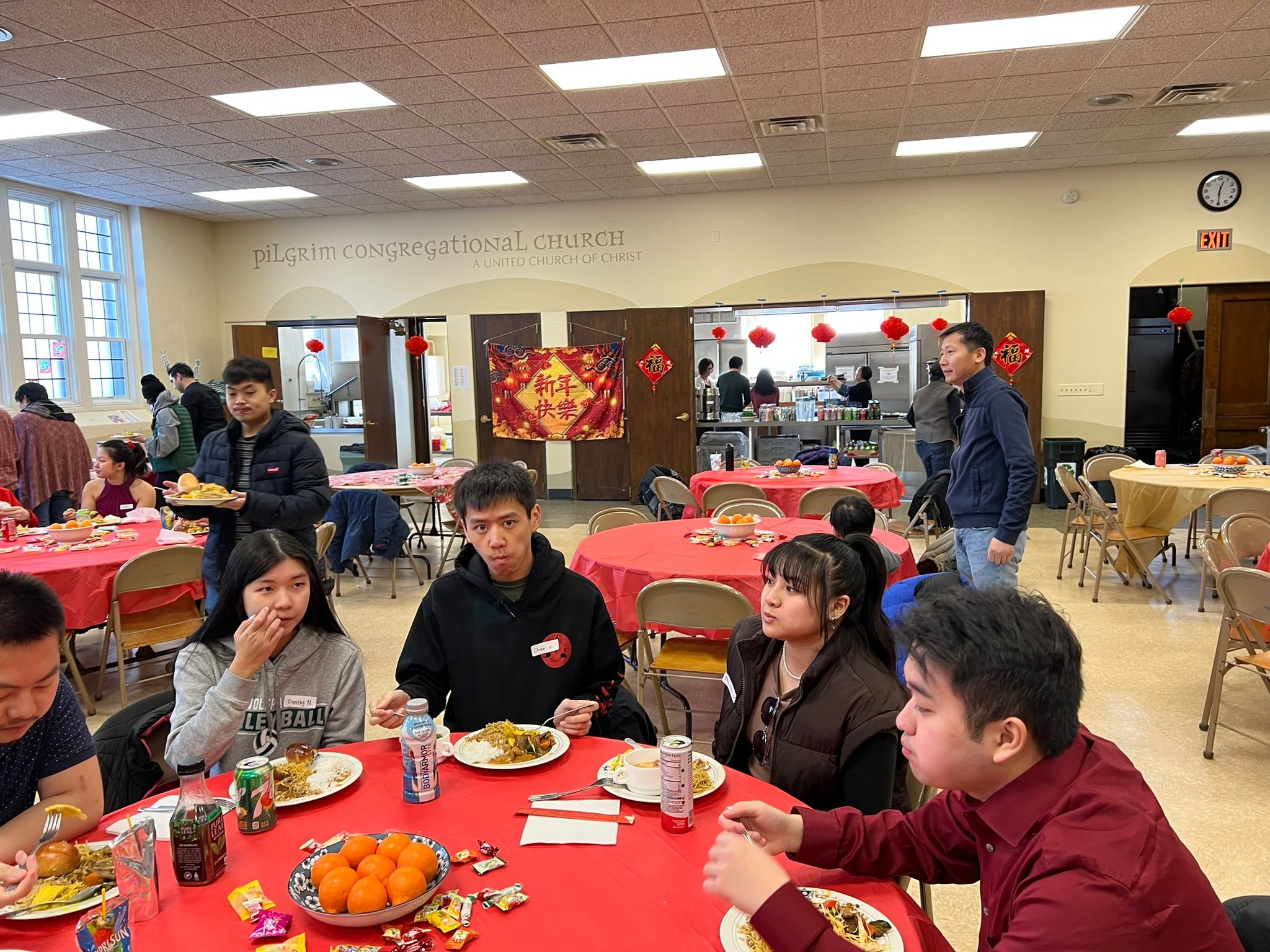
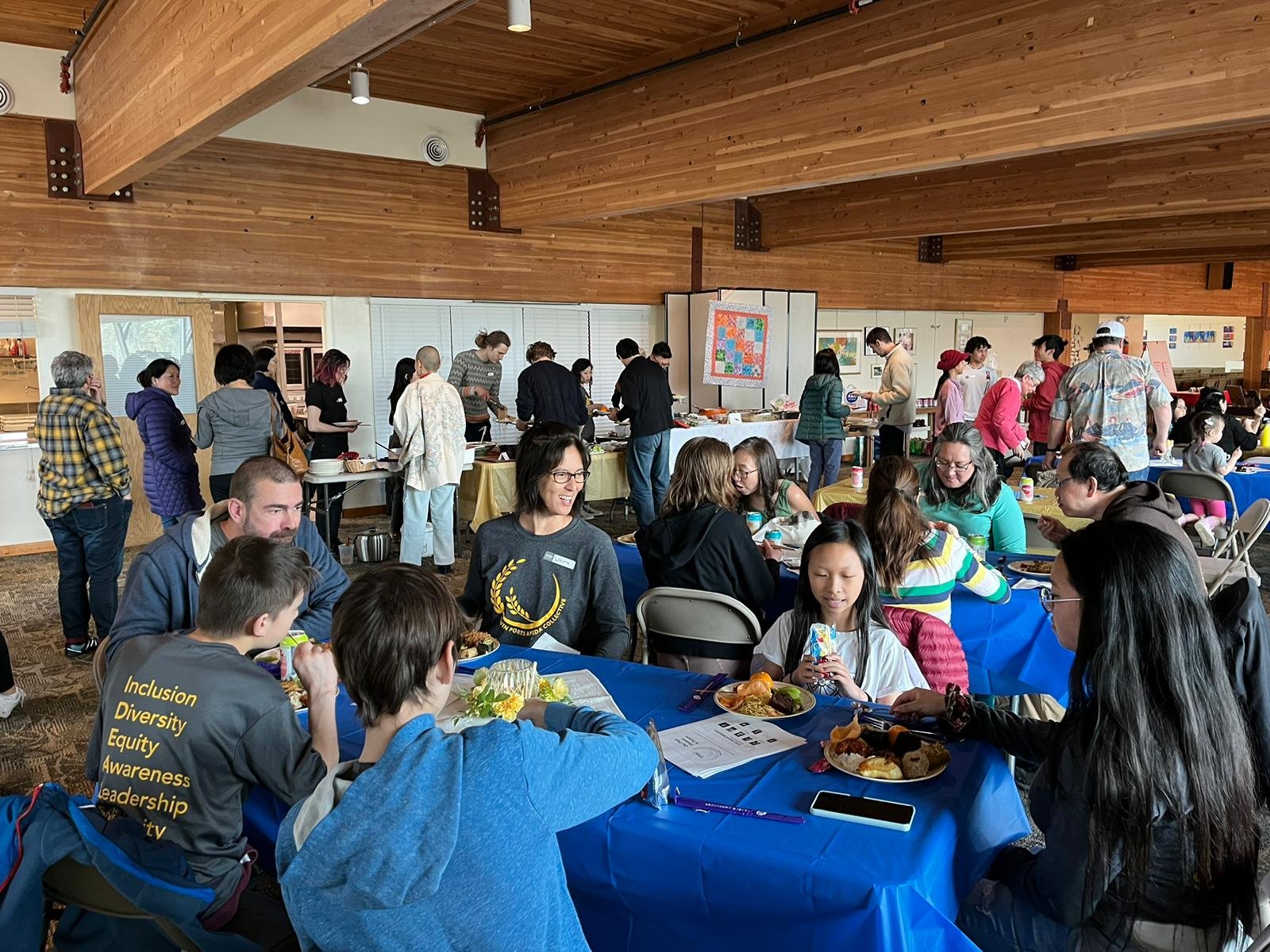
Lunar New Year Family Potluck
APIDA community members, families, and allies are invited to celebrate the Lunar New Year together!
-
Asian Pacific Islander Heritage Month
Celebrate in May!
TPAC commemorates Asian Pacific Islander Heritage Month in a meaningful way each May.
-
TPAC @ Dragon Boat Festival
August
Barker’s Island, Superior WI
Visit our family-friendly TPAC Cultural Tent to learn more about dragon boating and our diverse Asian cultures. Cheer on the TPAC Dragons, the first homegrown Asian-centric team at the festival!
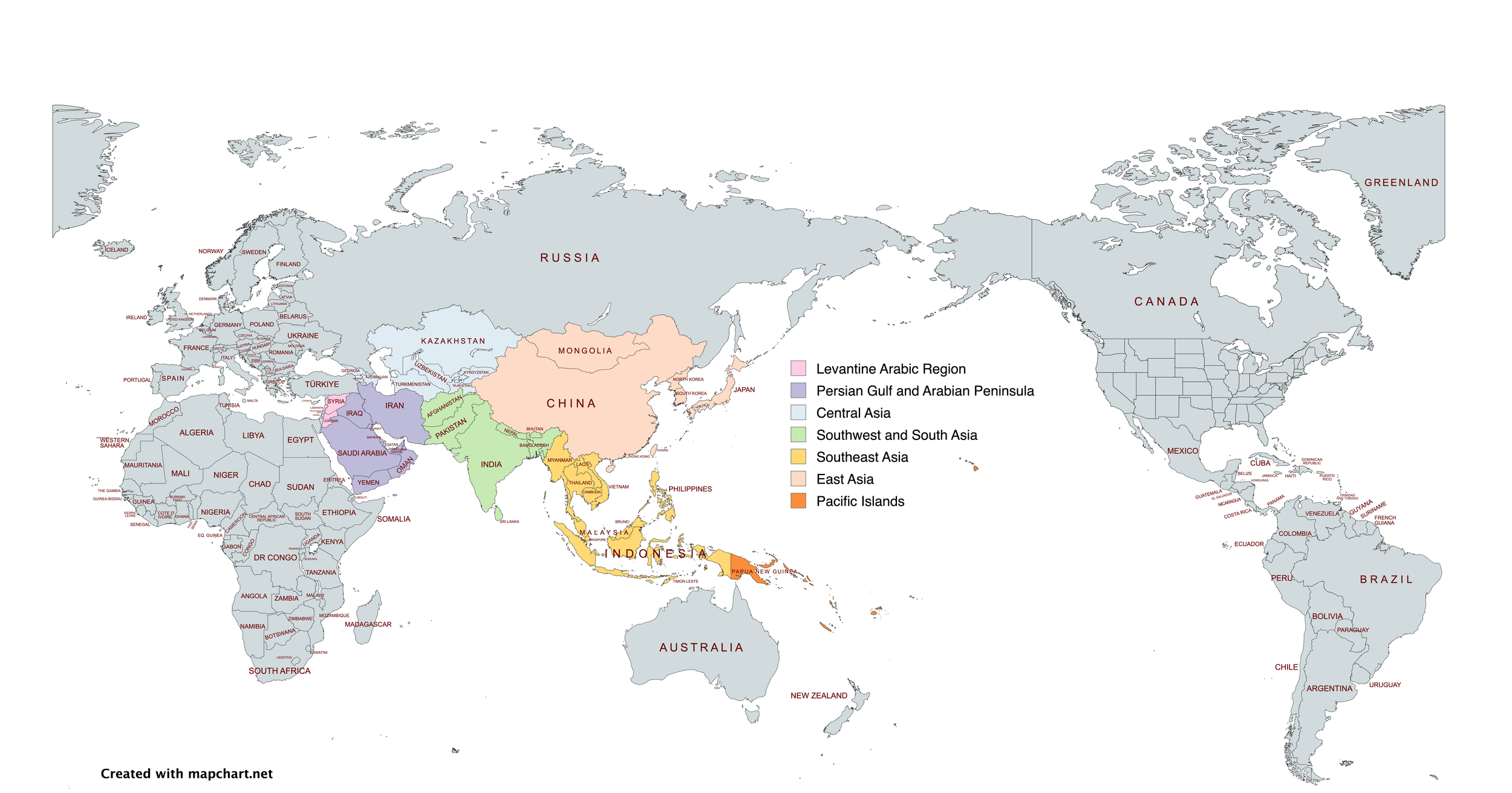
Our Diverse APIDA Origins